Two countries, one mountain range
Like Colombia, Peru and Ecuador are split by the Andes. That means high slopes, mild climates near the equator and, in many places, small farms where coffee grows alongside other crops, often under shade.
Altitude is a big part of the flavor story. Much of the region's coffee grows between about 1,200 and 2,000 meters, which slows ripening and gives sweet cups with good acidity. We go deeper in coffee altitude and flavor.
On many farms, coffee grows under the shade of taller trees. That canopy protects the plants from harsh sun and evens out the temperature, which also helps the cherries ripen slowly. It's one of those details you never see on the bag but can often taste in the cup.
Peruvian coffee: regions and character
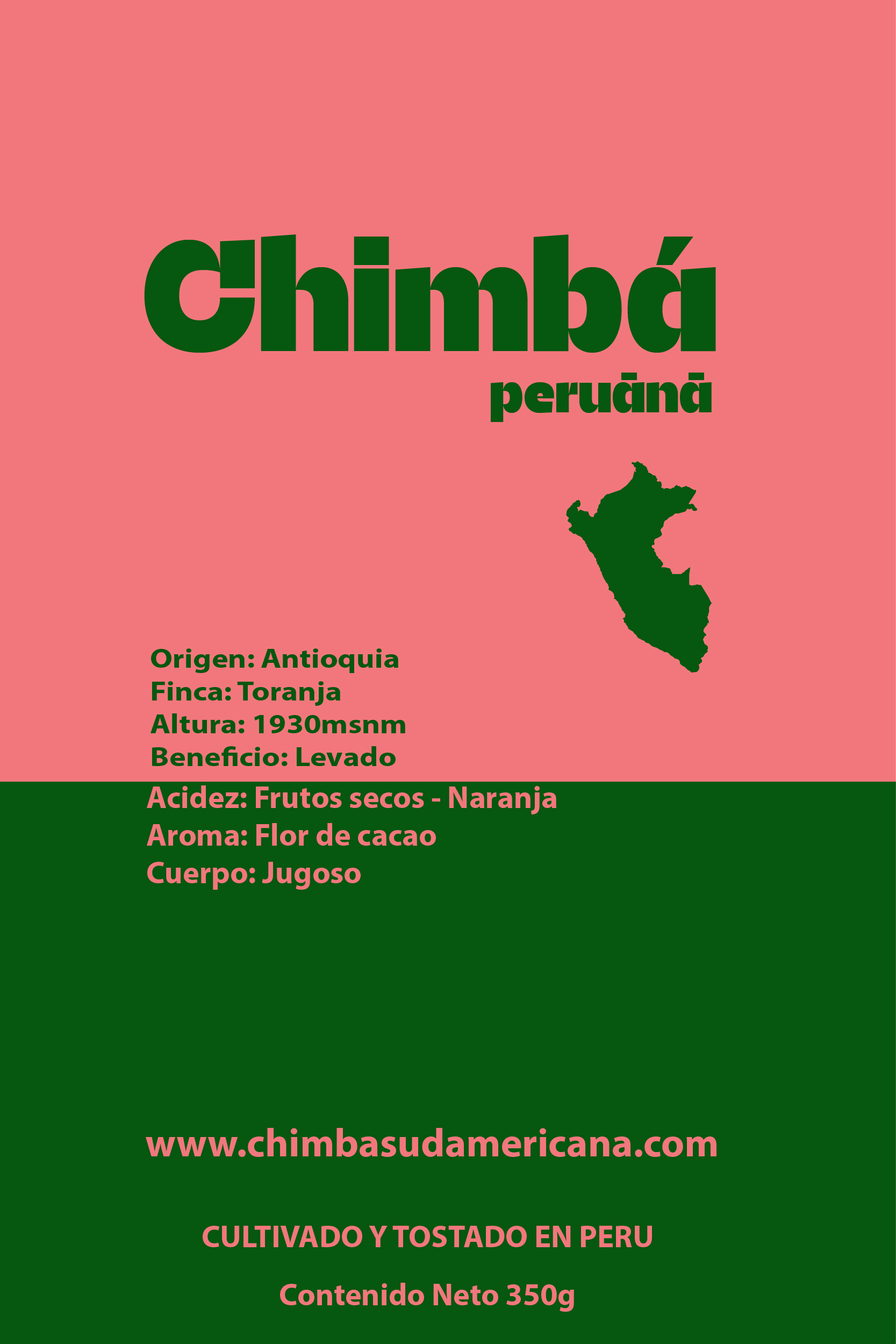
Peru is a major arabica producer in South America, and much of its coffee comes from smallholders, often organized into cooperatives. Peruvian coffee grows across several regions on the eastern side of the Andes, where the mountains start dropping toward the Amazon:
- Cajamarca: in the north, one of the country's most important coffee regions.
- Amazonas and San Martín: also in the north, with mountain areas and high jungle.
- Junín: in the center, with long-established coffee areas in the central jungle.
- Cusco: in the south, with warm valleys climbing toward higher ground.
Peru is also one of the best-known sources of organic coffee, which makes up a significant share of its output. As always, an organic label tells you how a coffee was grown. It doesn't, by itself, promise how it tastes.
What Peruvian coffee tastes like
Most Peruvian coffee is washed, which usually means clean, soft and sweet cups. It's rarely a coffee that shouts:
- Mild to medium acidity, friendly even if bright coffees aren't your thing.
- Medium body with a silky texture.
- Notes of chocolate, caramel and nuts, with floral or fruity touches in higher-grown lots.
It's an easy, rewarding origin for everyday drinking and for a slow sobremesa, especially at a medium roast. For more on how processing changes the cup, read washed, natural and honey coffee.
At home, Peruvian coffee works with almost any brewer. A pour-over brings out its cleaner, more floral side, while a French press or moka pot adds body and pushes it toward chocolate.
Ecuadorian coffee: small volumes, serious altitude
Ecuador coffee is less familiar, partly because the country produces small volumes compared with its neighbors. Ecuador also grows both major species: arabica in the mountains and robusta in warmer lowlands.
Specialty arabica is concentrated mainly in the south, in provinces like Loja and Zamora Chinchipe, along the border with Peru. There, at high altitude and right on the equator, farms produce coffees with bright acidity, sweetness and delicate, sometimes floral, aromatics.
In recent years, Ecuadorian specialty coffee has been getting more attention and more visibility. It's a small origin with a lot to say, and one worth tracking down if you enjoy lively, aromatic cups.
Peru, Ecuador and their neighbor, side by side
If you know Colombian coffee, Peru and Ecuador will feel familiar, with their own twists. A simple way to think about it:
- Peru: the softest and roundest of the three, with chocolate and caramel.
- Colombia: sweetness balanced with lively acidity; see our guide to Colombian coffee.
- Ecuador: in its high-grown arabicas, the brightest and most aromatic.
These are generalizations, of course, and any farm or harvest can surprise you. The best approach is to brew them side by side with the same recipe and let the cup decide. It's also a great excuse to invite people over.
Quick questions
What does Peruvian coffee taste like?
Peruvian coffee is usually soft, sweet and clean, with moderate acidity and notes of chocolate, caramel and nuts. Higher-grown lots can also show floral and fruity touches.
Where is coffee grown in Ecuador?
Ecuador grows arabica in mountain areas and robusta in the lowlands. Its specialty arabica comes mainly from the south, in provinces such as Loja and Zamora Chinchipe.
Is Peruvian coffee organic?
Peru is one of the best-known sources of organic coffee, and organic makes up a significant share of its production. Not all Peruvian coffee is organic, though, so check the label on each bag.