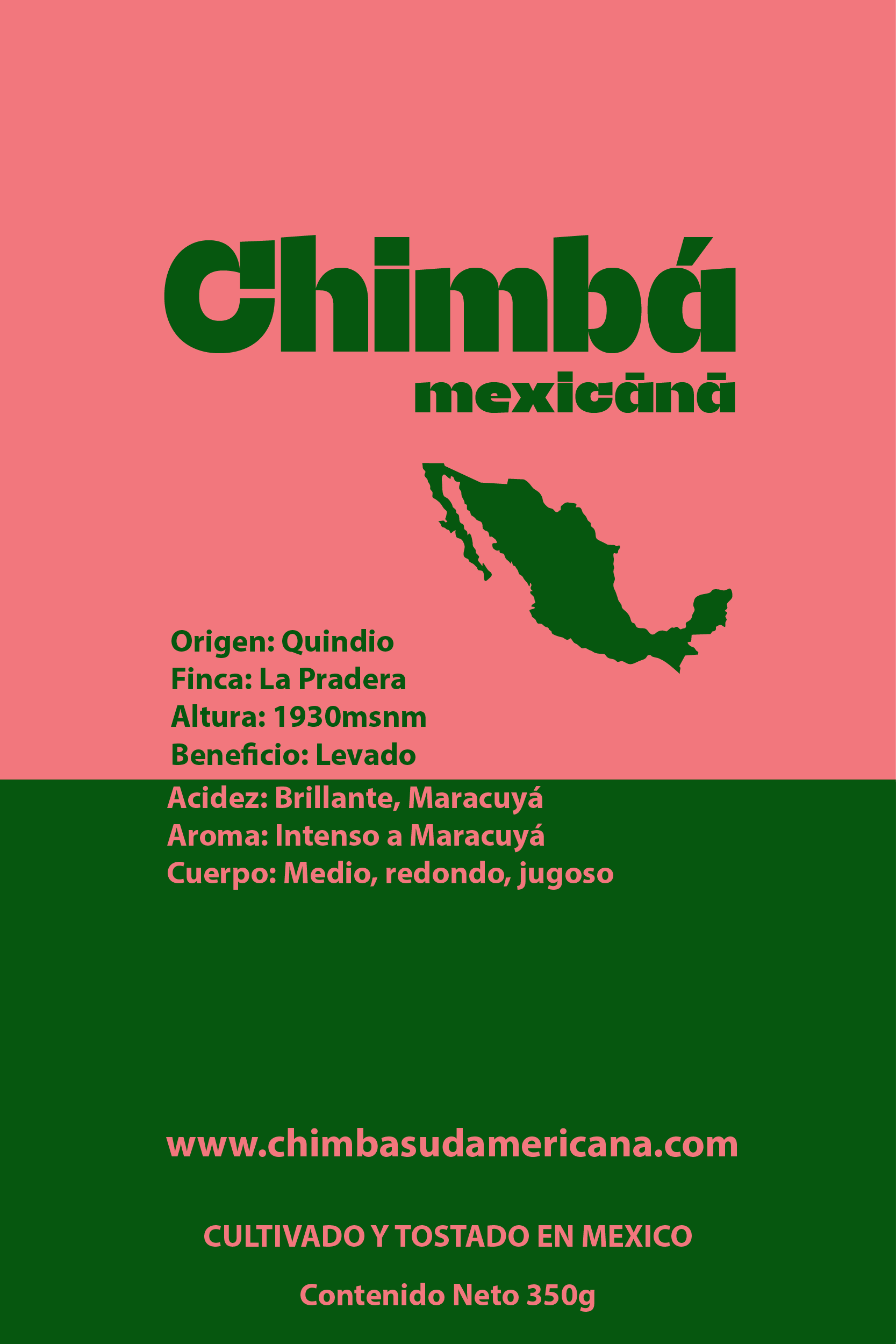
Mexican coffee, beyond café de olla
Mexico is one of the significant coffee producers in the Americas and a classic name in mountain-grown coffee. Mexican coffee comes mainly from the center and south of the country, from ranges where mild climates and altitude suit arabica.
Plenty of people know it through café de olla, brewed with piloncillo and cinnamon, a tradition we describe in coffee rituals in South America. But Mexican beans hold their own with nothing more than hot water.
Most of it is washed arabica, and in many areas coffee grows in the shade of taller trees. As a northern hemisphere origin, Mexico harvests roughly from the end of one year into the start of the next.
Mexico's coffee regions
Four states account for much of the production, and most of the reputation:
- Chiapas: in the far south, bordering Guatemala, and the country's largest producer. Its mountain coffees can be sweet, with body and pleasant acidity.
- Veracruz: on the Gulf of Mexico, home to long-established coffee areas like Coatepec. Expect balanced, gentle cups.
- Oaxaca: rugged, diverse mountains and old coffee communities such as Pluma Hidalgo. Delicate coffees, often with chocolate notes.
- Puebla: in the Sierra Norte, producing clean, sweet mountain coffees.
As with any origin, there are big differences within a single state, depending on altitude, the farm and how carefully the coffee is picked.
Altura and strictly high grown, explained
In Mexico, altitude is built into the commercial grading. You'll often see terms like these on bags:
- Altura: coffee grown in mountain areas, higher than lowland coffees.
- Estrictamente altura, or strictly high grown (SHG): the grade for coffees from the highest growing areas.
The logic is the same one we cover in coffee altitude and flavor: higher usually means slower ripening, denser beans and a cup with more acidity and complexity. It's a useful clue, but not a quality guarantee on its own.
When you read a bag of Mexican coffee, look at the whole picture: the state and region, the altitude grade, the process and the roast date. Together they give you a pretty good idea of what's coming in the cup, far better than any one of those details on its own. If several are missing, that tells you something too.
Organic and shade-grown
Mexico is one of the best-known sources of organic coffee, especially in southern areas such as Chiapas and Oaxaca, where many smallholders work through cooperatives.
Many of those farms grow coffee under shade, mixed in with other trees and plants. The canopy shields the coffee from harsh sun and helps the cherries ripen slowly. Still, an organic label describes how the coffee is farmed; flavor also depends on altitude, harvest and processing method.
What Mexican coffee tastes like
In a sentence: smooth, clean and easy to like. Many Mexican coffees share these traits:
- Light to medium body, never heavy.
- Gentle acidity, brighter in strictly high grown lots.
- Notes of chocolate, nuts, caramel and sometimes a little spice.
It's a forgiving coffee at a medium roast and works with nearly every brewer. A pour-over shows its clean side; a French press or a clay pot shows its cozy one. After dinner, few things pair better with a chocolate dessert.
If you like comparing, brew it next to a Brazilian coffee. Both lean chocolatey, but Mexico tends to be lighter and cleaner, while Brazil is denser and rounder. Tasting them side by side is one of the quickest ways to train your palate.
Quick questions
Where is coffee grown in Mexico?
Mexican coffee is grown mainly in the center and south of the country. The best-known states are Chiapas, Veracruz, Oaxaca and Puebla, with Chiapas as the largest producer.
What does strictly high grown mean for Mexican coffee?
Strictly high grown (SHG), or estrictamente altura, is a Mexican grade for coffees from the highest growing areas. These coffees tend to be denser, with more acidity and complexity.
What does Mexican coffee taste like?
Mexican coffee is usually smooth and clean, with a light to medium body, gentle acidity and notes of chocolate, nuts and caramel. Higher-grown coffees tend to show more acidity and aroma.