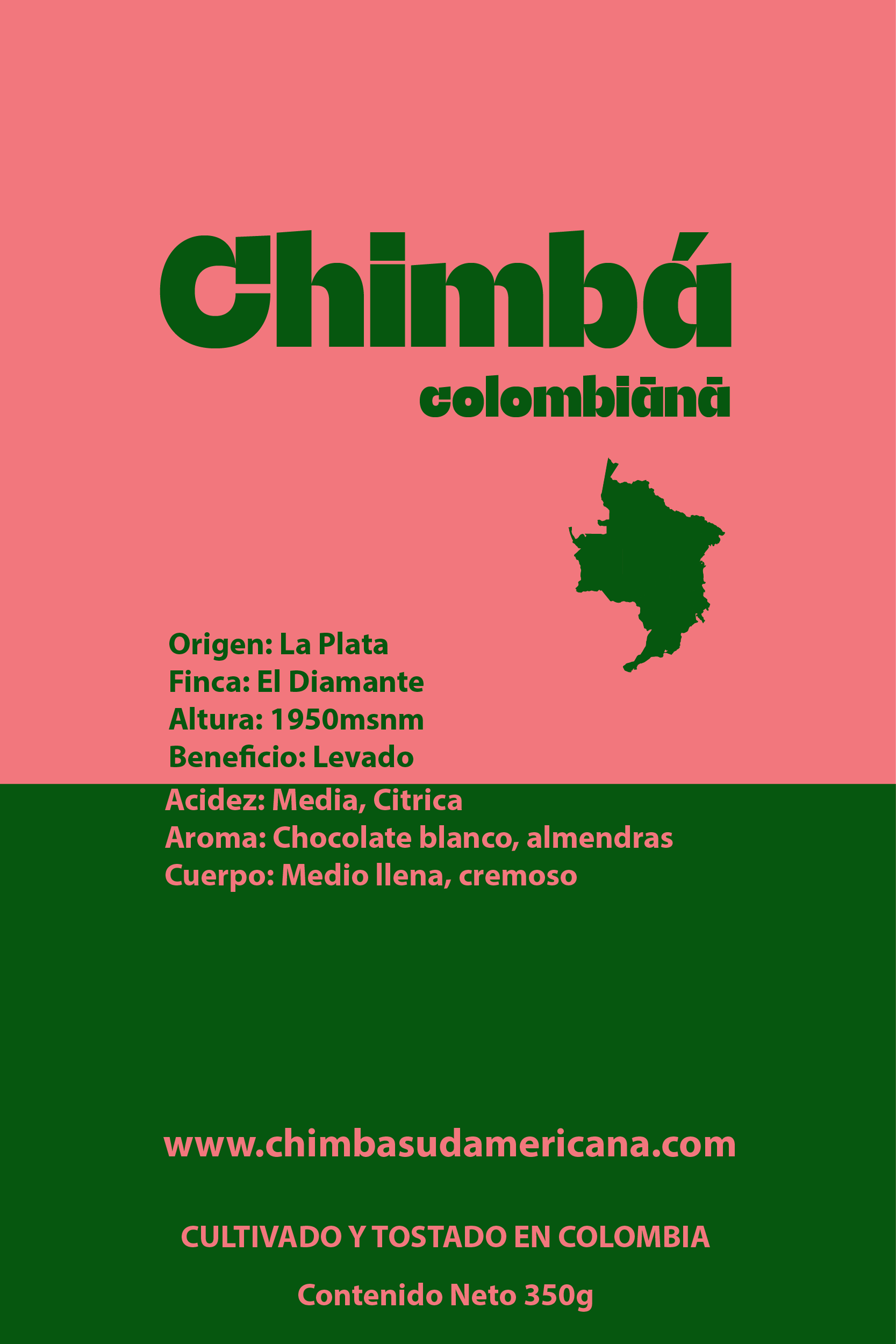
Why Colombian coffee is so well known
Colombia is one of the world's largest coffee producers and one of the countries most closely tied to washed arabica. Geography does a lot of the work: three ranges of the Andes run through the country, offering slopes at just the right height, with regular rain and a mild climate all year.
Colombian coffee typically grows between about 1,200 and 2,000 meters above sea level. As we explain in coffee altitude and flavor, that elevation slows ripening and tends to produce cups with lively acidity.
Washing is the traditional process here, which is a big part of why Colombian cups taste clean and clear. For how it compares with other methods, read washed, natural and honey coffee.
Colombia's coffee regions
Every region has its own personality, though two farms in the same area can still taste very different. These are some of the best known:
- Huila: in the south, one of the country's most productive regions. Expect bright acidity, sweetness and fruity notes.
- Nariño: at the far southern edge near Ecuador, with farms at very high altitude. Known for intense acidity and delicate aromatics.
- Cauca: in the southwest, with high, sheltered growing areas that give balanced, sweet cups with good acidity.
- Antioquia: a historic coffee region around Medellín, with balanced, medium-bodied coffees.
- The Coffee Axis (Eje Cafetero): the traditional heart of Colombian coffee, in departments such as Caldas, Risaralda and Quindío.
In 2011, UNESCO added the Coffee Cultural Landscape of Colombia to its World Heritage List. The listing recognizes more than farms. It honors a whole way of life: mountain towns, coffee planted on improbably steep slopes, and know-how handed down through generations.
Varieties: Castillo, Caturra and Typica
Colombia grows arabica, and three varieties come up again and again:
- Castillo: developed in Colombia to resist coffee leaf rust, a disease that attacks the plant's leaves. It's now very common across the country.
- Caturra: a compact, productive plant with a cup known for pronounced acidity.
- Typica: one of the oldest arabica varieties, loved for its sweet, clean cup, though more fragile in the field.
Variety shapes flavor, but never on its own. Altitude, soil, harvest and processing matter at least as much.
Main harvest and mitaca
Colombia sits close to the equator, and its mountains hold a huge range of microclimates. Many areas get two flowerings a year, and so two harvests: the main harvest and a second, smaller one called the mitaca.
Timing varies from region to region, which means coffee is ripening somewhere in the country for much of the year. For coffee drinkers, that means fresh Colombian coffee can arrive at different points in the calendar, rather than once a year.
On slopes this steep, picking is usually done by hand. That lets pickers go over the same trees several times and take only the ripe cherries, which shows later in the cup.
What Colombian coffee tastes like
Generalizing is risky, but many Colombian coffees share a recognizable profile: medium body, lively acidity and a caramel or panela-like sweetness, with notes ranging from citrus to red fruit depending on the region.
That balance really comes through in a medium roast, which is how we like it. It's a coffee that works in a pour-over, in a French press and, naturally, as a tinto after dinner, a habit we describe in coffee rituals in South America.
If you're new to the origin, start there: a medium-roast Colombian brewed simply is one of the most dependable cups around, and a good reference point for tasting everything else.
Quick questions
What kind of coffee is grown in Colombia?
Colombia grows arabica coffee, mainly varieties like Castillo, Caturra and Typica. Most of it is washed, which gives clean cups with bright acidity.
What is the mitaca harvest?
The mitaca is Colombia's second, smaller coffee harvest of the year. It happens because many Colombian coffee areas have two flowerings annually, thanks to their climate and closeness to the equator.
What are the main coffee regions in Colombia?
Some of the best known are Huila, Nariño, Cauca, Antioquia and the Coffee Axis, which includes Caldas, Risaralda and Quindío. The Coffee Cultural Landscape of Colombia has been a UNESCO World Heritage Site since 2011.